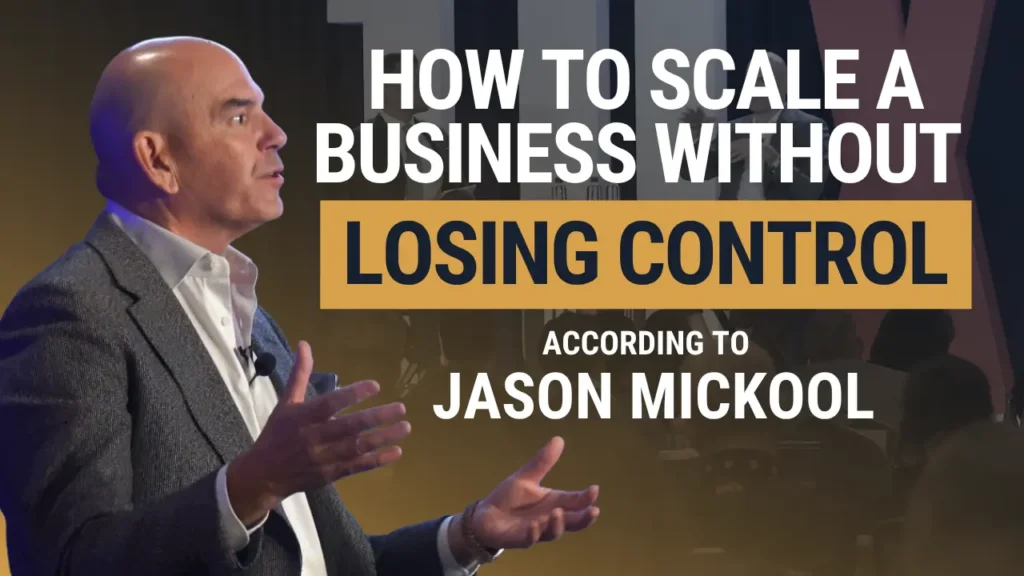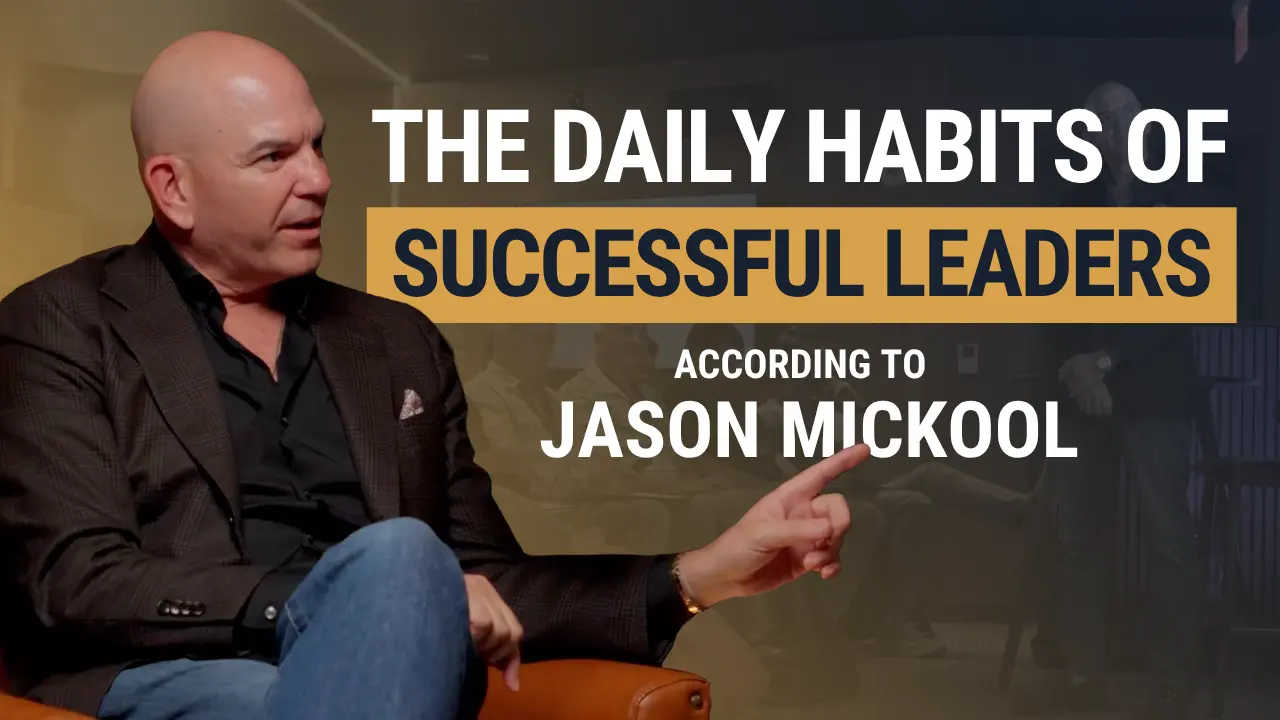
Success tends to get described in terms of breakthroughs, big goals, and visible wins. Jason Mickool, founder of Greatness Lab and author of Built to Lead, Built to Scale: How Modern Leaders Turn Businesses into Platforms, argues the more important factor is smaller and far less visible: daily habits.
Long-term growth, in his view, rarely comes from isolated moments of motivation. It comes from repeated actions, disciplined routines, and consistent decisions over time. The habits a leader reinforces every day eventually shape the direction of their organization and their career.
Key takeaways
- Long-term success is built on daily habits, not isolated bursts of motivation.
- Consistency beats intensity, because progress tied to emotion breaks down under pressure.
- Leadership habits become culture, the way a leader communicates and handles pressure spreads to the team.
- The gap is execution, most people consume leadership advice; few apply it consistently in daily operations.
Why Consistency Matters More Than Intensity
Many people chase growth through bursts of high motivation that fade once pressure, distraction, or setbacks appear. Mickool believes this pattern breeds frustration, because progress gets tied to emotion instead of structure. Short bursts feel productive at first, but sustainable growth depends on consistency, not intensity.
The principle holds across leadership, operations, communication, and personal development. Disciplined routines reduce reactive decision-making and create clarity during uncertainty. As Mickool puts it: “The habits leaders repeat every day eventually shape the standards, culture, and direction of the organizations they lead.”
How Daily Habits Influence Leadership
Leadership habits reach well beyond productivity. The way a leader communicates, manages pressure, prioritizes decisions, and responds to setbacks tends to get embedded in the organization’s culture over time. Small, repeated behaviors shape larger outcomes.
What daily leadership habits shape over time
Over time, small behavioral patterns influence five areas in particular:
- Team accountability
- Operational consistency
- Communication quality
- Decision-making speed
- Organizational discipline
When leaders operate reactively, organizations tend to become reactive too. When leaders hold consistency and structure, teams stay more aligned through growth or instability. That is why Mickool emphasizes intentional leadership development over relying on experience or natural ability alone.
Turning Knowledge Into Operational Action
A recurring theme in Mickool’s work is the gap between knowing and doing. Many professionals consume leadership content and growth strategies constantly. Far fewer apply those principles inside daily operations and decisions. Practical execution, he argues, is where long-term progress separates itself from temporary inspiration.
His work pushes leaders toward a small set of repeatable practices:
- Create structured routines.
- Eliminate unnecessary distractions.
- Develop stronger accountability habits.
- Focus on long-term consistency.
- Build operational discipline gradually over time.
Instead of treating growth as a motivational event, Mickool frames leadership development as an ongoing operational process. That thinking runs through Built to Lead, Built to Scale, where he examines how modern leaders create scalable organizations through mindset, structure, and disciplined execution.
Why Adaptability and Discipline Work Together
Adaptability gets more effective when consistent habits and structure support it. Organizations face constant shifts in technology, workforce expectations, and market conditions. Leaders without disciplined routines often struggle to hold direction when conditions change fast. Consistent habits create stability during uncertainty, which lets leaders stay focused on long-term priorities instead of reacting emotionally to short-term disruption.
A Long-Term Perspective on Growth
Mickool’s broader message favors sustainability over short-term performance. Meaningful growth, personal or organizational, rarely comes from isolated breakthroughs. More often it is the cumulative effect of small actions repeated consistently. For leaders in demanding environments, that is a practical reminder: long-term success is built through disciplined habits long before the big outcomes become visible.
Frequently Asked Questions
Successful leaders rely on structured routines, fewer distractions, strong accountability habits, and a focus on long-term consistency. According to Jason Mickool, these repeated daily practices matter more than bursts of motivation because they compound into standards, culture, and direction over time.
Consistency matters more than intensity because progress tied to emotion breaks down once pressure or setbacks appear. Short bursts of effort feel productive but fade, while disciplined routines sustain growth and reduce reactive decision-making during uncertainty.
A leader’s habits shape the organization because teams absorb how the leader communicates, handles pressure, and makes decisions. Reactive leaders tend to create reactive organizations, while consistent, structured leaders keep teams aligned through growth and instability.
You turn knowledge into action by building it into daily operations: structured routines, removed distractions, accountability habits, and operational discipline developed gradually. Mickool’s point is that execution, not consumption of more advice, is where long-term progress begins.
Start With the Habits You Repeat
The standards of an organization are set by what its leaders do every day. That is the work Jason Mickool focuses on with the leaders he coaches: building the daily discipline that compounds into long-term results.
Keep going
- Read Built to Lead, Built to Scale: How Modern Leaders Turn Businesses into Platforms.
- Explore the coaching and growth ecosystem at Greatness Lab.
- Learn more about Jason Mickool’s work and writing.
About Jason Mickool
Jason Mickool is the founder of Greatness Lab and the author of Built to Lead, Built to Scale. He built a national advisor enterprise spanning more than a dozen states before focusing on helping insurance and financial professionals build the daily discipline and structure that scale organizations. More at jasonmickool.com.